Septic Tank Pumping for St. Paul Homeowners
Request an estimate from a local provider
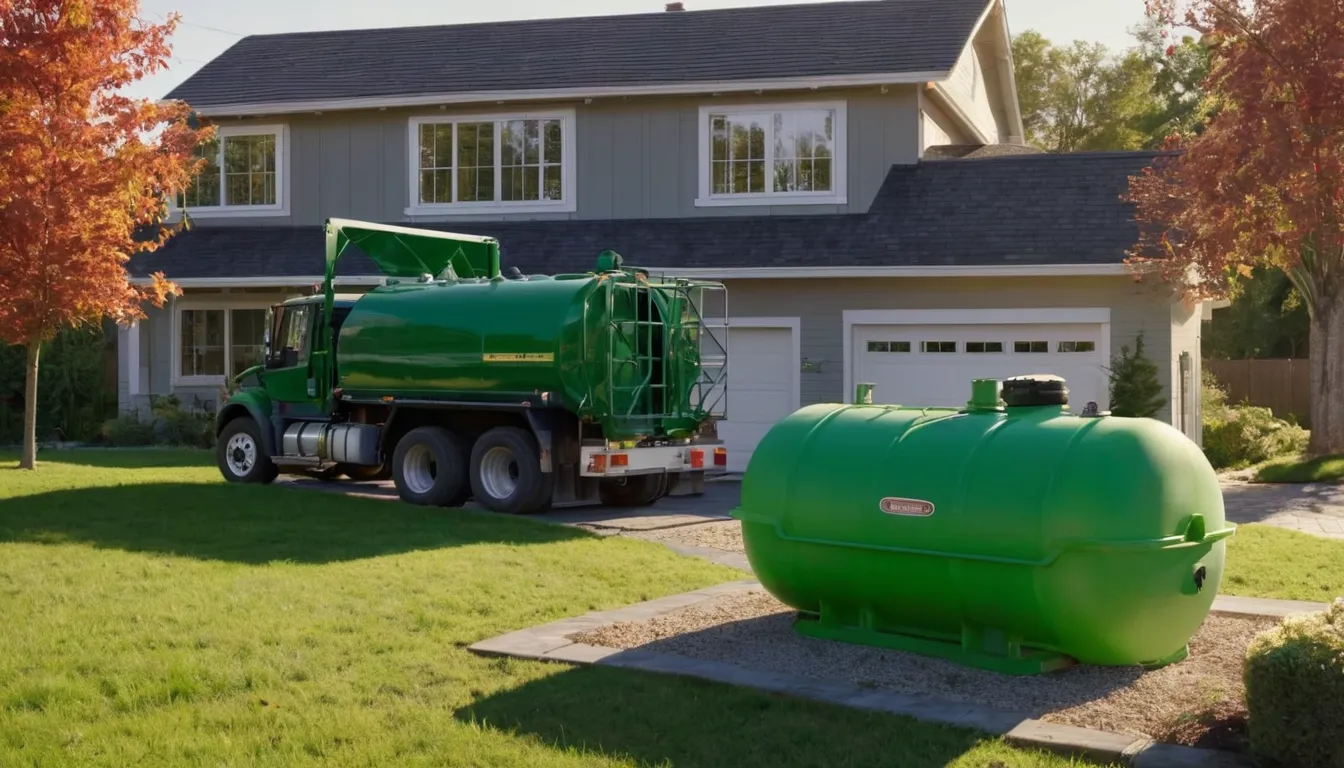
A septic tank holds wastewater long enough for solids to settle. Over time, sludge builds on the bottom and scum floats on top. Septic tank pumping removes both. Skip it too long and solids can move into the drainfield, which is far costlier to fix than a pump-out.
Taxcelebrate Septic is a referral service. It does not pump tanks. It connects homeowners in St. Paul and the St. Paul area with independent providers in our network. This page explains the signs of a full tank, the price drivers, typical U.S. ranges and how the seasons affect timing. Use it to compare quotes with confidence before you book.
Tank Full or Overdue? Start Here
A full tank gives warning signs. Check for these:
- Drains that run slow in several fixtures
- Gurgling from pipes after a flush
- Sewage odor indoors or near the tank
- Soggy, bright green grass over the tank or drainfield
- Toilets that bubble or struggle to flush
One sign may be a clog. Two or three together usually point to the tank.
Sewage Backing Up Indoors
Sewage in a tub, shower or floor drain is urgent. Stop using water. Skip laundry and dishes. Then ask a provider about emergency septic cleaning. Many providers can respond quickly, but availability varies.
What Pumping Actually Does
The tank separates waste into three layers: sludge on the bottom, clearer water in the middle, scum on top. Bacteria break down some of it. The rest piles up. A pump truck vacuums out the layers so the tank has room again.
This protects the drainfield, the buried area where treated water soaks into soil. Solids that escape can clog that soil. Drainfield repair can run into the thousands, while pumping costs a few hundred.
How Often Should You Pump?
The common range is every three to five years. Your number depends on two things: tank size and household size.
- A 1,000-gallon tank with four or more people may need pumping closer to every two to three years.
- A larger tank with two people can often wait longer.
- A garbage disposal adds solids and shortens the interval.
Records help. If you do not know the last pump date, treat the tank as overdue.
Know the Price Drivers
A written quote should show what you are paying for. These factors move the price most:
- Tank size: more gallons means more time and more disposal fees.
- Access: buried or heavy lids take extra work to uncover.
- Distance: a long hose run from the truck adds labor.
- Condition: a tank packed with hardened solids takes longer.
- Urgency: a backup call may cost more than a scheduled visit.
Typical U.S. ranges are in the cost table below. Quote in writing, and ask what is included.
Plan by Season
Timing matters here. Weather changes both access and risk.
Before Deep Frost
Fall is a smart time to pump. Soil is still workable and lids are easy to find. Once the ground is frozen hard, access can be slow and some providers book out.
Spring Flooding
Saturated soil cannot absorb water from the drainfield. A tank that is already near full is more likely to back up. Pump before the thaw if you are overdue. If you have a private well, ask about water well service and testing after floodwater reaches your yard.
Summer Storms
Heavy thunderstorms add water to the ground fast. Spread laundry across the week. Keep downspouts and sump pump discharge pointed away from the drainfield.
What Happens During a Pumping Visit
The provider locates the tank and opens the lids. A hose pulls out liquid, sludge and scum. Many providers then rinse the walls and check the baffles, the plates that guide flow in and out.
Expect the visit to take roughly an hour for a standard tank. Keep pets inside and clear the path to the lids.
Pumping and Inspections
Pumping is a smart moment for a look inside, since the tank is empty. Ask the provider to check for cracks, damaged baffles and signs of backflow from the drainfield. Findings can be noted on your invoice. Keep that paperwork.
Buying or Selling a Home With a Septic System
Lenders and buyers often ask for a pumping and inspection report. Sellers can schedule it early so surprises do not stall a deal. Buyers can ask for the last pump date and any repair records.
Caring for Your System Between Pumpings
Small habits protect the tank:
- Flush only toilet paper and human waste
- Keep grease, wipes and coffee grounds out of drains
- Do not drive or park over the tank or drainfield
- Fix leaking toilets, since extra water pushes solids out too soon
- Mark lid locations and keep a pumping log
Questions to Ask the Provider
Before you book, ask:
- Is the quote written, and does it list tank size and disposal?
- Is there an extra charge for digging up lids or long hose runs?
- Will you inspect baffles and filters during the visit?
- What do you charge if the tank is larger than expected?
Good answers make comparing quotes simple.
What's Included
Full Pump-Out
A truck vacuums out sludge, scum and liquid so the tank has working room again.
Baffle Check
Many providers look at the baffles and outlet filter while the tank is empty.
Written Quote Option
Providers in our network can put tank size, access charges and disposal fees on paper.
Urgent Cleaning
If sewage is backing up, ask about emergency septic cleaning when you request an estimate.
Typical Septic Pumping Costs in the U.S.
These are typical U.S. ranges. Your price depends on tank size, access, distance and tank condition. Prices vary by job, so get a written quote before any work begins.
| Item | Typical range | Notes |
|---|---|---|
| Standard pump-out (1,000 gal) | $250 – $600 | Most common household tank |
| Larger tank (1,500+ gal) | $400 – $900 | More volume and disposal fees |
| Urgent backup cleaning | $400 – $1,000 | Rates vary by provider and timing |
| Uncovering buried lids | $100 – $300 | Extra digging if lids are below grade |
| Riser and lid install | $300 – $900 | Makes future access easier |
| Pumping with inspection | $350 – $800 | Adds a look at baffles and filter |
How It Works
Describe the Problem
Note slow drains, odors or backups, plus tank size and last pump date if you know them.
Request an Estimate
Send the request form and a local provider in our network reaches out.
Review the Written Quote
Check tank size, access fees and disposal charges before you agree to anything.
Schedule the Pump-Out
Pick a date that suits the season, then clear the path to the tank lids.
Why Call Taxcelebrate Septic
Protect Drainfield
Solids that escape the tank clog soil. Regular pumping helps avoid costly drainfield repair down the road.
Prevent Backups
A tank with room is less likely to push sewage into your home.
Control Costs
A planned pump-out usually costs less than an urgent call or a system repair.
Support Resale
Pumping records show buyers and lenders the system has been looked after.
Other Services
Need septic tank pumping in St. Paul?
Request an estimate and tell us what you see at home. A local provider in our network will follow up with questions and a written quote. No obligation.
No obligationSeptic Tank Pumping FAQ
How much does septic tank pumping cost?
Typical U.S. prices run about $250 to $600 for a standard tank. Larger tanks, hard access and urgent visits cost more. Ask each provider for a written quote.
How often should a septic tank be pumped?
Most homes need pumping every three to five years. Larger households, smaller tanks and garbage disposals shorten that time. If you are unsure of the last pump date, plan one soon.
Can I pump my tank in winter?
Often yes, but deep frost can make lids hard to reach. Fall pumping is easier, so plan ahead.
Reach a local provider
Request an estimate and tell us what you see at home. A local provider in our network will follow up with questions and a written quote. No obligation.
No obligation