Sewer Line Repair for Homeowners
Request an estimate from a local provider
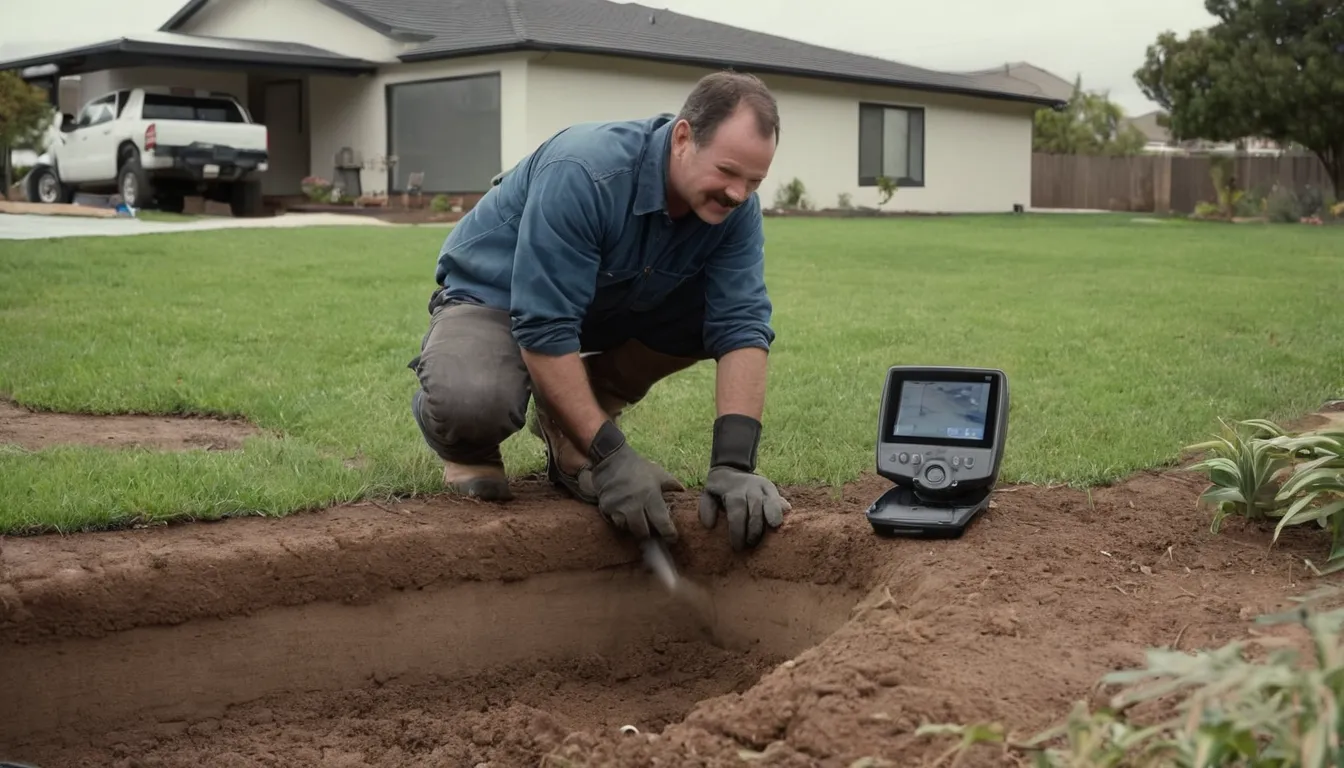
A sewer line is the buried pipe that carries waste from your house to the city main or to your septic tank. When it cracks, clogs or collapses, wastewater has nowhere to go. It backs up into drains or leaks into the soil. Both are health risks and both get worse with time.
Taxcelebrate Septic is a referral service. It does not do the work. It connects homeowners in the St. Paul area with independent local providers who inspect the line, explain the fix and put the price in writing. This page covers the warning signs, what damages pipes, how repairs work, what drives cost and the questions to ask before you hire.
Sewage Backing Up? Do This First
Stop using water. No flushing, no laundry, no dishwasher. Every gallon you add has only one place to go.
Keep children and pets away from wet floors. Raw sewage carries bacteria. Wear boots and gloves if you must enter the area, and leave cleanup of large spills to a professional.
Then request an estimate. Many providers can respond quickly to a backup. Request a callback to check provider availability.
Sewer Line or Septic System?
A sewer line moves waste from the house outward. A septic system treats it on your lot. The symptoms look alike, so the first job is finding where the blockage sits.
If your home has a tank, a full tank can mimic a line failure. Septic tank pumping or emergency septic cleaning may clear the backup. A damaged drainfield needs drainfield repair, which is a different job. A camera check tells the providers which one you have.
Signs of a Sewer Line Problem
Watch for these:
- Several drains slow down or gurgle at once
- Sewage odor in the yard or basement
- Water pooling over the line path
- Floor drain backups after laundry
- Unusually green, soft patches of lawn
- Cracks in the foundation or slab
Urgent Signs vs. Slow Signs
Urgent: sewage on the floor, a toilet that overflows, or a backup in the basement floor drain or the drain at the bottom of the house. Stop water use and get a provider booked.
Slow: one sluggish drain, a faint smell, a damp patch that comes and goes. Still book an inspection. Small leaks grow.
What Damages Sewer Lines
Most failures trace back to a few causes.
Tree Roots
Roots seek moisture. They slip into joints, then thicken until the pipe cracks or clogs. Older clay and concrete joints are easy targets.
Aging Pipe
Many frame houses and bungalows in the St. Paul area sit on pipe laid decades ago. Cast iron rusts through. Clay cracks. Fiber conduit, sometimes called Orangeburg, flattens over time.
Frost, Floods and Shifting Soil
Deep frost heaves the ground. Spring flooding saturates it. Both push pipes out of line and open joints. Heavy storms also overload lines and send water back toward basements, especially where a sump pump discharge is tied in by mistake.
How Sewer Line Repair Works
Camera Inspection
The provider feeds a waterproof camera through a cleanout. The video shows cracks, roots, sags and breaks. It also gives the distance and depth, which set the price. Ask to see the footage.
Choosing the Repair Method
- Spot repair: dig down and replace one failed section.
- Trenchless lining: a resin sleeve is cured inside the old pipe. Little digging.
- Pipe bursting: a tool breaks the old pipe while pulling a new one through.
- Full replacement: open trench, new pipe, used when the line is badly collapsed.
Not every method fits every pipe. A sagging line, for example, cannot be lined.
Know the Price Drivers
Length, depth and method matter most. Add the pipe material, the access (a driveway or a mature tree in the way costs more), and whether a permit is needed. Emergency timing can also raise the rate.
Quote in writing. A written quote should list the method, the footage, restoration and what happens if the provider finds something unexpected. Compare two or three.
Permits and Property Lines
Most areas require a permit for digging and replacing sewer pipe. The provider usually handles the paperwork, but ask who pays the fee.
Property lines matter. In many places the homeowner owns the pipe up to the city main. In others the city owns the part under the street. Check with your local utility before work starts, so you know who is responsible for which section.
Plan by Season
Winter: deep frost makes digging slow and costly. A burst or heaved line may still need urgent work, but a minor repair can sometimes wait for thaw.
Spring: flooding and a high water table raise backup risk and make trenches harder to hold open.
Summer: thunderstorms and hail bring sudden downpours. Dry ground is the easiest to dig, so many providers book up.
Fall: a good time for inspections and planned replacement before the ground hardens.
Keeping Your Sewer Line Healthy
Flush only toilet paper. Wipes labeled flushable still clog pipes. Keep grease out of drains.
Check the cleanout cap once a year. Have the line scoped every few years if the house is old or large trees stand nearby. Keep new trees well away from the pipe path.
If you have a sump pump, make sure it drains outdoors, not into the sewer line.
Restoring Your Yard
Digging leaves a trench. Ask the provider what restoration is included: backfill, compaction, sod or seed, and driveway or walkway patching. Settling can show up months later, so ask how that is handled.
Trenchless methods reduce the mess, but they are not always an option.
Water Wells and Trenches
If your property has a private well, tell the provider before digging. Sewer trenches near a wellhead can raise contamination risk. If a leak has been active, consider water well service and a water test after the repair.
Questions to Ask the Provider
- Will you run a camera before quoting?
- Which repair method do you recommend, and why?
- Is the permit included in the price?
- What does yard restoration cover?
- Can I see the written quote before work starts?
- How long will the line be out of use?
Some insurance policies may cover sudden damage, so check your policy. Providers can often help document damage for a claim.
Request a callback to check provider availability in the St. Paul area.
What's Included
Camera Line Inspection
A camera run shows the break, its depth and its length, so the quote rests on facts.
Spot Repairs
Replace one failed section of pipe when the rest of the line is sound.
Trenchless Options Explained
Lining or pipe bursting can limit digging, where the pipe condition allows it.
Full Line Replacement
When the pipe is collapsed or badly cracked, a new run restores steady flow.
Typical Sewer Line Repair Costs
These are typical U.S. ranges. Your price depends on pipe length, depth, access and method, so always get a written quote before work begins.
| Item | Typical range | Notes |
|---|---|---|
| Camera inspection | $100 – $500 | Often credited if repair follows |
| Drain clearing (roots, clog) | $150 – $600 | Short-term fix if pipe is damaged |
| Spot repair | $1,500 – $4,000 | Depends on depth and access |
| Trenchless lining | $3,000 – $10,000 | Needs a pipe that is still open |
| Pipe bursting | $4,000 – $12,000 | Cost rises with line length |
| Full line replacement | $5,000 – $25,000 | Driveways and trees add cost |
How It Works
Stop Water Use
Hold off on flushing, laundry and dishes to keep more sewage from backing into your home.
Request an Estimate
Send your details through the form and a local provider will follow up.
Get a Camera Inspection
The provider scopes the line to find the exact problem.
Review the Written Quote
Compare method, price and restoration before approving the work.
Why Call Taxcelebrate Septic
Providers Give Written Quotes
Providers in our network put scope and price on paper so you can compare.
Plain Price Guidance
Know the price drivers before you hire, and spot a quote that leaves things out.
Local Providers
Independent providers know local frost depth, soil and permit rules.
Seasonal Planning
Plan by season to avoid frozen ground delays and spring flood backups.
Other Services
Need sewer line repair in St. Paul?
Request an estimate and tell us what you see at home. A local provider in our network will follow up with questions and a written quote. No obligation.
No obligationSewer Line Repair FAQ
How much does sewer line repair cost?
Typical U.S. ranges run from about $1,500 for a spot repair to $25,000 for a full replacement. Length, depth, access and method drive the price. Get a written quote before work starts.
How do I know if my sewer line is broken?
Look for multiple slow drains, gurgling, sewage smells, wet spots in the yard or backups in a basement floor drain. A camera inspection by a provider confirms the cause.
Does homeowners insurance cover sewer line repair?
Some policies may cover sudden damage, but many exclude wear, roots and aging pipe. Check your policy. Providers can often help document damage for a claim.
Reach a local provider
Request an estimate and tell us what you see at home. A local provider in our network will follow up with questions and a written quote. No obligation.
No obligation